


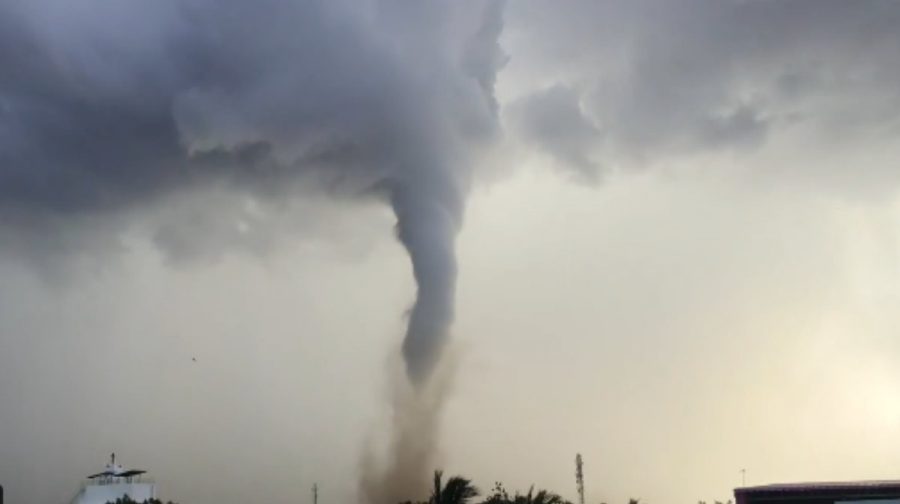
Image Credit:X/navdeepdahiya55
തൂത്തുക്കുടിക്കാരെ അമ്പരിപ്പിച്ച് ആകാശത്ത് മേഘത്തൂണുപോലെ അപൂര്വ ചുഴലിക്കാറ്റ്. മേഘത്തെ തൊട്ട് ഒരു തൂണുപോലെ താഴേയ്ക്കിറങ്ങി വന്ന ചുഴലിക്കാറ്റ് പൊടിപടലങ്ങളടക്കം തൂത്തുവാരി പറന്നകന്നു. കണ്ടു നിന്ന ജനങ്ങള് പരിഭ്രാന്തരായി.
ഇതാദ്യമായാണ് തമിഴ്നാട്ടില് ഇത്തരത്തില് ചുഴലിക്കാറ്റുണ്ടായതെന്ന് കാലാവസ്ഥ നിരീക്ഷകര് പറയുന്നു. കുറച്ച് നേരത്തിന് ശേഷം ഇത് അപ്രത്യക്ഷമാകുകയും ചെയ്തു. വലിയ നാശനഷ്ടങ്ങളുണ്ടായതുമില്ല. പക്ഷേ ഇത്തരം ചുഴലിക്കാറ്റുകളെയും കരുതിയിരിക്കണമെന്നും നിസാരമാക്കേണ്ടതല്ലെന്നും കാലാവസ്ഥാ നിരീക്ഷകര് പറയുന്നു.
തമിഴ്നാട്ടില് ചുഴലിക്കാറ്റുകള് അത്ര സാധാരണമല്ല. മണ്സൂണിന് മുന്പ് മാര്ച്ച് മുതല് മേയ് വരെയുള്ള മാസങ്ങളില് ബംഗാള്, ഒഡീഷ എന്നിവിടങ്ങളിലും പ്രത്യേകിച്ചും വടക്ക് കിഴക്കന് സംസ്ഥാനങ്ങളിലുമാണ് ചുഴലിക്കാറ്റുകള് ഉണ്ടാകാറുള്ളത്.
ചുഴലിക്കാറ്റും മേഘത്തൂണും ഉണ്ടാകുന്നതെങ്ങനെ? ചൂടും ഈര്പ്പവുമുള്ളതായ വായു, മുകളിലേക്കുള്ള ശക്തിയായ വായൂപ്രവാഹം, ഭൂമിയുടെ ഉപരിതലത്തിലെ ചെറിയ കറക്കം എന്നിവയാണ് ചുഴലിക്കാറ്റുകളെയുണ്ടാക്കുന്നത്. മുകളിലേക്കുള്ള വായൂപ്രവാഹം കറക്കത്തെ നേരെ മുകളിലേക്ക് വലിച്ച് നീട്ടുന്നതാണ് ചുഴലിക്കാറ്റിന് കാരണം.
മുകളിലേക്ക് ഉയരുന്ന ചൂടുള്ള വായു തണുത്ത് അതിശക്തമായ സൂപ്പര് സെല് എന്നറിയപ്പെടുന്ന ഇടിമിന്നല് മേഘങ്ങളെയുണ്ടാക്കും. ഈ പ്രക്രിയയിലൂടെ വലിയ തോതില് ചൂട് പുറന്തള്ളപ്പെടുന്നതോടെ കാറ്റിന്റെ ശക്തിയും വര്ധിക്കും. ഈ മേഘത്തിനുള്ളിലെ ഈര്പ്പം കാണാന് കഴിയുന്ന ജലത്തുള്ളികളായി മാറുന്നതോടെയാണ് ഇത്തരത്തില് ദൃശ്യമാകുന്നത്. അതേ സമയം, ഇതിന്റെ അടിഭാഗത്തായി പൊടിപടലങ്ങള് ചുറ്റിയടിക്കുകയും ചെയ്യും.