


Image Credit: PTI
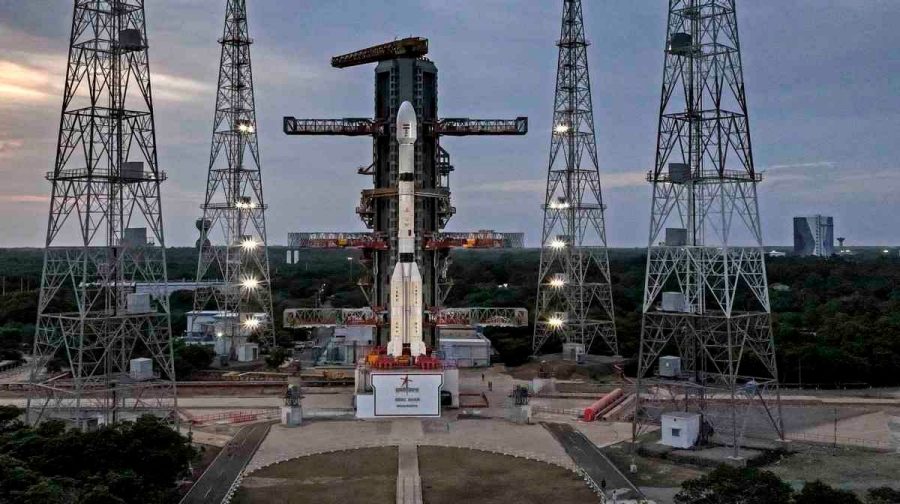
എട്ടുമാസത്തെ ഇടവേളയ്ക്ക് ശേഷമുള്ള ഐഎസ്ആര്ഒയുടെ ഉപഗ്രഹ വിക്ഷേപണം സമ്പൂര്ണ വിജയം. ഭൗമനിരീക്ഷണ ഉപഗ്രഹമായ ജി. ഐ. സാറ്റ് - വൺ എ ഉപഗ്രഹം, GSLV എഫ്–17നിലാണ് വിക്ഷേപിച്ചത്. പുലര്ച്ചെ 2.55ന് ശ്രീഹരിക്കോട്ടയിലെ സതീഷ് ധവാന് സ്പേസ് സെന്ററില് നിന്നായിരുന്നു വിക്ഷേപണം. തോല്വികളില് നിന്ന് പഠിച്ച്, പ്രതിസന്ധികളെ മറികടന്നാണ് ഐഎസ്ആര്ഒ വീണ്ടും വിജയത്തിന്റെ ഭ്രമണപഥത്തിലെത്തിയിരിക്കുന്നത്. Also Read: GISAT-1Aയുടെ പ്രത്യേകത എന്താണ്?
36000 കിലോമീറ്റർ അകലെയുള്ള ഭ്രമണപഥം ലക്ഷ്യമാക്കിയായിരുന്നു 2.3 ടൺ ഭാരമുള്ള EOS 5 ഉപഗ്രഹത്തിന്റെ യാത്ര. ആദ്യ രണ്ട് ഘട്ടങ്ങളും സുഗമമായി പൂർത്തിയാക്കി. 14 മിനിറ്റിന് ശേഷം ക്രയോജനിക് ഘട്ടവും പൂർത്തിയാക്കിയതോടെ വിക്ഷേപണം വിജയം. ഉപഗ്രഹത്തിന്റെ പ്രവര്ത്തനം തൃപ്തികരമെന്ന് ഐഎസ്ആര്ഒ അറിയിച്ചു. കൂട്ടായ്മയുടെ വിജയമാണിതെന്ന് ഐഎസ്ആര്ഒ ചെയര്മാന് ഡോ.വി.നാരായണന് പറഞ്ഞു.
ഭൂസമകാലിക ഭ്രമണപഥത്തില് നിന്ന് (ജിയോ സിങ്ക്രണൈസ് ഓര്ബിറ്റ്) ഭൂമിയെ നിരീക്ഷിക്കാന് കഴിയുന്ന ഇന്ത്യയുടെ ആദ്യ ഉപഗ്രഹമാണിത്. സാധാരണ ഭൗമ നിരീക്ഷണ ഉപഗ്രഹങ്ങള് താഴ്ന്ന ഭ്രമണപഥത്തിലാണ് സ്ഥിതി ചെയ്യുക. അതിനാല് തുടര്ച്ചയായ നിരീക്ഷണം എളുപ്പമല്ല. ജിസാറ്റ് 1 എ ഭൂമിയുടെ കറക്കത്തിന് സമാനമായി കറങ്ങുന്നതിനാല് ഏകദേശം ഒരേ സ്ഥാനത്ത് നിന്ന് തുടര്ച്ചയായി ചിത്രങ്ങളെടുക്കാന് കഴിയും. ചുഴലിക്കാറ്റ്, വെള്ളപ്പൊക്കം, കാട്ടുതീ തുടങ്ങിയവയെ കൃത്യമായി നിരീക്ഷിക്കാന് കഴിയും.