


.
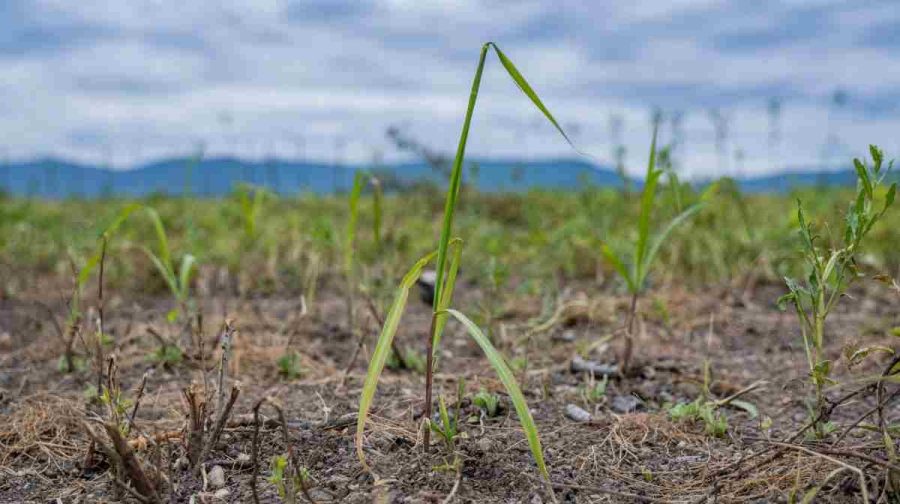
കൃഷിയിടങ്ങളിലെ കളകൾ നശിപ്പിക്കാൻ ലോകമെമ്പാടും ഉപയോഗിച്ചിരുന്ന വളരെ വീര്യം കൂടിയ ഒരു രാസവസ്തുവാണ് പാരാക്വാറ്റ് ഡൈക്ലോറൈഡ്. പച്ചപ്പിൽ വീണാല് ആ ഭാഗം ഉടന് കരിഞ്ഞു വീഴും എന്നതിനാല് പെട്ടെന്ന് കര്ഷകര്ക്ക് താല്പര്യമുള്ള കളനാശിനിയായി. പക്ഷെ കർഷകർക്കും തൊഴിലാളികൾക്കും ശ്വാസകോശ സംബന്ധമായ അസുഖങ്ങൾ, ത്വക്ക് രോഗങ്ങൾ, വൃക്ക-കരൾ തകരാറുകൾ എന്നിവ സ്ഥിരമായി റിപ്പോർട്ട് ചെയ്യപ്പെട്ടിരുന്നു. ഇതിനിടെ കാലക്രമേണെ മറുമരുന്നില്ലാത്ത കൊലയാളിയായി പാരാക്വാറ്റ് മാറി. ചെറിയ അംശം ശരീരത്തില് ചെന്നാല് പോലും മരണം ഉറപ്പാണ്.
ആധുനിക മെഡിക്കൽ സയൻസിൽ ഫലപ്രദമായ ഒരു മറുമരുന്നിന്ന് ഇതിനില്ല എന്ന് ഗൗരവം വര്ധിപ്പിക്കുന്നു. അങ്ങനെ പാരാക്വാറ്റ് രാജ്യത്ത് ആയിരക്കണക്കിന് ആളുകളുടെ ജീവനാണെടുത്ത്. ഓൺലൈൻ വഴിയും അല്ലാതെയും വളരെ വിലക്കുറവിൽ ഇത് ലഭ്യമായതും അപകടമായി. വിഷയം ശ്രദ്ധയില്പെട്ട കേന്ദ്ര സര്ക്കാര് വിശദമായ പഠത്തിനൊടുവില് പാരാക്വാറ്റ് നിരോധിച്ചു.
1968-ലെ ഇൻസെക്റ്റിസൈഡ്സ് ആക്ട് പ്രകാരം പാരാക്വാറ്റിന്റെ നിർമ്മാണം, ഇറക്കുമതി, വിതരണം, വിൽപ്പന, ഉപയോഗം എന്നിവയ്ക്ക് ഉടനടി നിരോധനം ഏർപ്പെടുത്തിക്കൊണ്ട് കേന്ദ്ര കൃഷി മന്ത്രാലയം വിജ്ഞാപനം പുറത്തിറക്കി. 70-ലധികം രാജ്യങ്ങൾ ഈ അപകടകാരിയായ പാരാക്വാറ്റ് നിരോധിച്ചിട്ടുണ്ട്. നിലവിലെ വിജ്ഞാപനത്തിൽ ആക്ഷേപങ്ങളോ നിർദ്ദേശങ്ങളോ ഉണ്ടെങ്കിൽ അറിയിക്കാൻ 30 ദിവസത്തെ സമയപരിധി സർക്കാർ നൽകിയിട്ടുണ്ട്. പാരാക്വാറ്റിന്റെ അപകടം മുൻകൂട്ടിക്കണ്ട് കേരളം, ആന്ധ്രാപ്രദേശ്, തെലങ്കാന, ഒഡീഷ തുടങ്ങിയ സംസ്ഥാനങ്ങൾ നേരത്തെ തന്നെ ഇതിന് നിരോധനവും കർശന നിയന്ത്രണങ്ങളും ഏർപ്പെടുത്തിയിരുന്നു.