


Image Credit: AFP
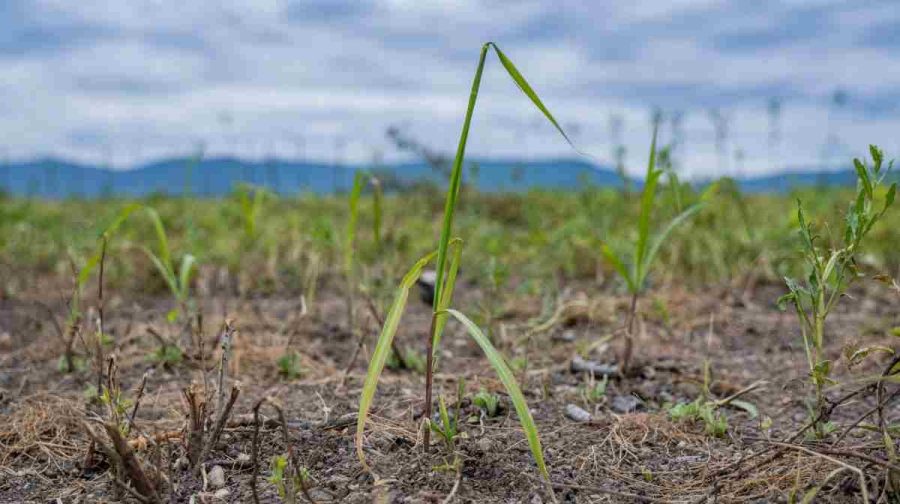
യുദ്ധം നാശം വിതച്ച യുക്രെയ്നിലെ മണ്ണ് പുനരുജ്ജീവിപ്പിക്കാനുള്ള പ്രത്യേക പദ്ധതിക്ക് തുടക്കമായി. 'ഭീമൻ മിസ്കാന്തസ്' എന്ന പ്രത്യേകയിനം പുൽച്ചെടി ഉപയോഗിച്ചുള്ളതാണ് നിര്ണായക പദ്ധതി. നാറ്റോയുടെ സാമ്പത്തിക സഹായത്തോടെ ഒരു ചെക്ക് സർവകലാശാലയാണ് നേതൃത്വം നൽകുന്നത്. ചെക്ക് റിപ്പബ്ലിക്കിന്റെ വടക്കൻ നഗരമായ മോസ്റ്റിന് സമീപമുള്ള ഒരു പഴയ കൽക്കരി ഖനിയിൽ, യാൻ ഇവാഞ്ചെലിസ്ത പുർക്കിനെ സർവകലാശാലയിലെ (UJEP) ശാസ്ത്രജ്ഞർ മിസ്കാന്തസ് ചെടികൾ നട്ടുപിടിപ്പിച്ചു. മണ്ണിലെ വിഷാംശങ്ങൾ വലിച്ചെടുത്ത് ശുദ്ധീകരിക്കാനും കാർബൺ സംഭരിച്ച് മണ്ണിന്റെ ഫലഭൂയിഷ്ഠത വർധിപ്പിക്കാനുമുള്ള ഈ പുല്ലിന്റെ കഴിവാണ് പ്രധാനമായും പഠനവിധേയമാക്കുന്നത്.
'ഫൈറ്റോറെമഡിയേഷൻ' എന്ന അദ്ഭുതം
ചെടികൾ ഉപയോഗിച്ച് മണ്ണിലെ വിഷാംശം നീക്കം ചെയ്യുന്ന 'ഫൈറ്റോറെമഡിയേഷൻ' എന്ന നൂതനരീതിയാണ് ഇവിടെ പ്രയോജനപ്പെടുത്തുന്നത്. കാഡ്മിയം, ഈയം, സിങ്ക്, ആർസെനിക് തുടങ്ങിയ ഘനലോഹങ്ങളെ വേരുകൾ വഴി വലിച്ചെടുത്ത് ചെടിയുടെ വേരുകളിലും തണ്ടുകളിലും സംഭരിക്കുന്നു. ഇത് ലോഹങ്ങളെ നശിപ്പിക്കുന്നില്ല, മറിച്ച് മണ്ണിൽനിന്ന് ചെടിയിലേക്ക് മാറ്റുകയാണ് ചെയ്യുന്നത്. ഈ ചെടി വിളവെടുത്ത് നീക്കം ചെയ്യുമ്പോൾ മണ്ണിലെ ലോഹാംശം കുറയുന്നു. പെട്രോളിയം ഹൈഡ്രോകാർബണുകൾ, കീടനാശിനികൾ തുടങ്ങിയ ജൈവമാലിന്യങ്ങളെ ഈ ചെടികള് വിഘടിപ്പിക്കുന്നു. ഈ രാസവസ്തുക്കളെ ദഹിപ്പിച്ച് നശിപ്പിക്കാൻ കഴിവുള്ള മണ്ണിലെ സൂക്ഷ്മാണുക്കൾക്ക് ചെടിയുടെ വേരുകൾ പോഷണം നൽകുന്നതിലൂടെയാണ് ഇത് സാധ്യമാകുന്നത്. വളപ്രയോഗം വഴി മണ്ണിലെത്തുന്ന അധിക നൈട്രേറ്റുകളും ഫോസ്ഫേറ്റുകളും ചെടികള് വലിച്ചെടുക്കുന്നു. ഇതുവഴി ഇവ ഭൂഗർഭജലത്തിൽ കലരുന്നത് തടയാൻ സാധിക്കും.
കരുതല് വേണം വിളവെടുപ്പില്: ചെടി മണ്ണിലെ ലോഹങ്ങളെ വലിച്ചെടുക്കുക മാത്രമേ ചെയ്യുന്നുള്ളൂ. അതിനാൽ വിളവെടുത്ത ചെടികൾ സുരക്ഷിതമായി സംസ്കരിക്കേണ്ടത് അത്യാവശ്യമാണ്. അല്ലാത്തപക്ഷം, ചെടി ജീർണിക്കുമ്പോൾ ഈ ലോഹങ്ങൾ തിരികെ മണ്ണിൽ ചേരും. കനത്ത തോതിൽ മലിനമായ മണ്ണ് ശുദ്ധീകരിക്കാൻ വർഷങ്ങളോളം പലതവണ ചെടി നടുകയും വിളവെടുക്കുകയും ചെയ്യേണ്ടിവരും. അതീവ വിഷമയമായ സ്ഥലങ്ങളിൽ മറ്റ് ശുദ്ധീകരണ മാർഗങ്ങൾക്കൊപ്പം മിസ്കാന്തസ് ഉപയോഗിക്കുന്നത് കൂടുതൽ ഫലം നൽകും.